Prince Ginseng trades in a small number of forms, and the right choice is driven by your product, not by price. Choosing wrong creates problems downstream: a tea blend built on whole root will not dose consistently, and a retail soup pack built on extract has nothing to show. This guide compares the forms the way buyers actually weigh them.
The three trade forms at a glance
| Form | Typical Use | Specification Focus |
|---|---|---|
| Dried whole root | Soup packs, retail bundles, herbal raw material trade, extraction feedstock | Identity, grade, whole-vs-broken proportion, cleanliness |
| Cut root | Tea blends, infusion bags, further processing | Cut size consistency, cleanliness, identity |
| Extract | Beverages, supplements, formulated products | Identity of feedstock, extraction ratio basis, batch documentation |
Dried whole root: the primary form
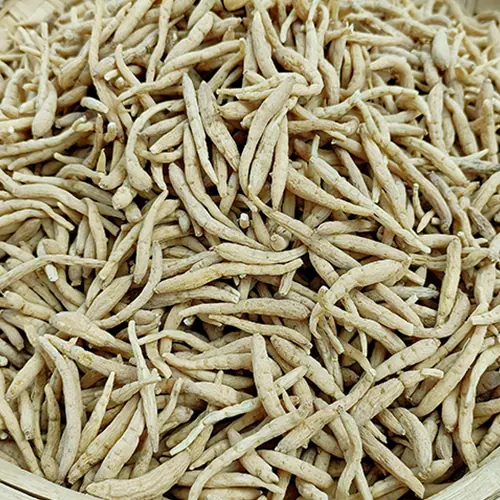
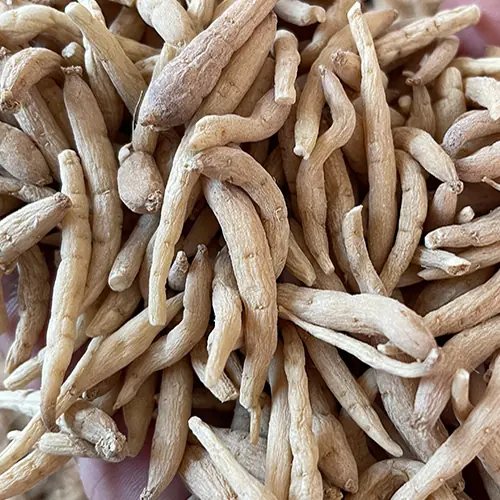
Dried whole root is the form the origin trade is built on and the form we supply from our Shibing growing area. It keeps identity verifiable — macroscopic identification of a whole tuber is straightforward — and it is the only form where the ingredient itself is visible to the end consumer. For soup packs and the herbal material trade, whole root is the default.
Cut root: for infusion formats
Cut material suits tea blends and infusion bags, where dosing consistency matters more than appearance. The trade-off is that identity becomes harder to verify visually once the tuber is cut, so documentation carries more weight — batch-linked COA and supplier traceability move from useful to essential.
Extract: a different supply relationship
Extract serves beverages and formulated products where a dry root cannot go. It is a processed product with its own specification language — extraction ratio basis, carrier, test scope — and it should always trace back to identified feedstock. We arrange extract requirements through qualified processing partners; we do not operate our own extraction line, and we say so plainly.
Rule of thumb: if the consumer should see the ingredient, buy whole root. If the ingredient must dissolve into a process, buy extract. If it must dose by weight into a blend, discuss cut material — and tighten the documentation either way.
How to decide
- Define the product format first — soup pack, tea, beverage, formulation
- Decide whether the ingredient must be visible in the final product
- Match the form to your verification ability — whole root can be checked by eye, cut and extract cannot
- Write the form into the contract with the botanical name: Pseudostellaria heterophylla (Miq.) Pax
If you are unsure which form fits, describe the product in the enquiry form — advising on form selection is part of how we quote. For the document side, see what buyers should check in a COA.
Sources & References
- Chinese Pharmacopoeia — Pseudostellariae Radix (Tai Zi Shen) monograph, Chinese Pharmacopoeia Commission (botanical identity, plant part and macroscopic description)