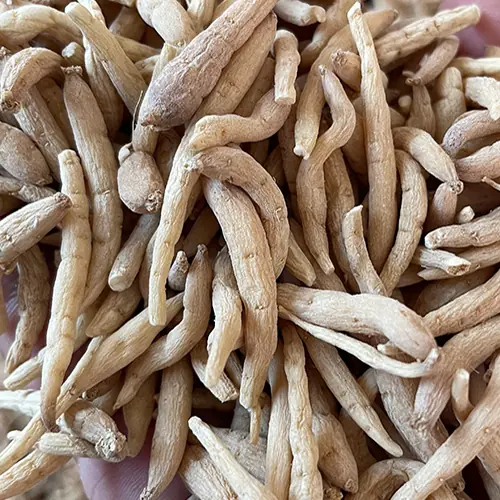
A Certificate of Analysis (COA) is the bridge between a supplier’s promises and a verifiable batch. For dried herbal roots like Pseudostellaria heterophylla, knowing how to read one — and how to spot a weak one — is a core procurement skill.
First: does it describe your batch?
A COA is only meaningful if it is tied to a specific lot: batch/lot number, sample date and quantity. A beautifully printed “company COA” that is not batch-linked tells you nothing about the root you will receive.
Identity items
Look for botanical identification of the material — confirming the sample is Pseudostellaria heterophylla, not a substitute. For buyers with stricter requirements, macroscopic and microscopic identification or DNA-based identification can be requested through third-party laboratories.
Common test categories for dried roots
- Moisture — the single most practical quality figure for dried roots; it drives storage stability and price-per-active-kg
- Total ash and acid-insoluble ash — proxies for mineral/soil contamination and cleanliness
- Sulphur dioxide (SO2) — relevant where sulphur fumigation is still practised somewhere in the trade; many buyers require low or not-detected results
- Heavy metals — typically lead, cadmium, arsenic, mercury, per destination-market limits
- Pesticide residues — scope depends on the destination market and customer requirements
- Microbiology — more relevant for milled or extract forms than for whole dried root, but commonly requested
Red flags in a COA
- No batch number or a batch number that does not match the shipment
- A test scope that suspiciously avoids the category you asked about
- Round, identical numbers across different batches — a sign the document is a template, not a test
- No laboratory identification, or a lab you cannot verify
Our practice: specification and test documentation are provided per batch. We deliberately do not publish blanket specification numbers, because a number without a batch behind it is marketing, not data.
Before your first order, agree the exact test scope and destination-market limits with your supplier in writing — and keep every COA on file to compare across seasons. Our Quality & Traceability page shows how batch documentation fits into our supply chain, and our contact page is where current batch documents can be requested.
Sources & References
- Chinese Pharmacopoeia — Pseudostellariae Radix (Tai Zi Shen) monograph, Chinese Pharmacopoeia Commission (botanical identity, plant part and macroscopic description)