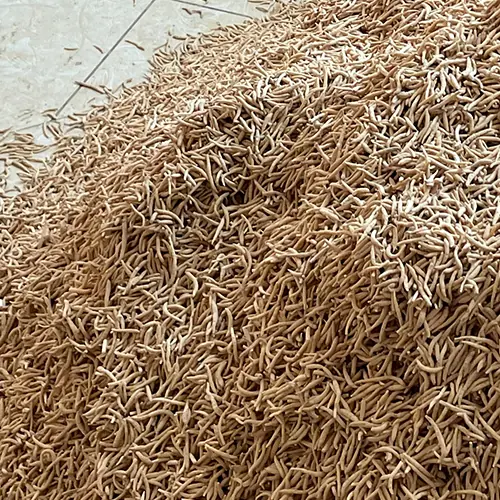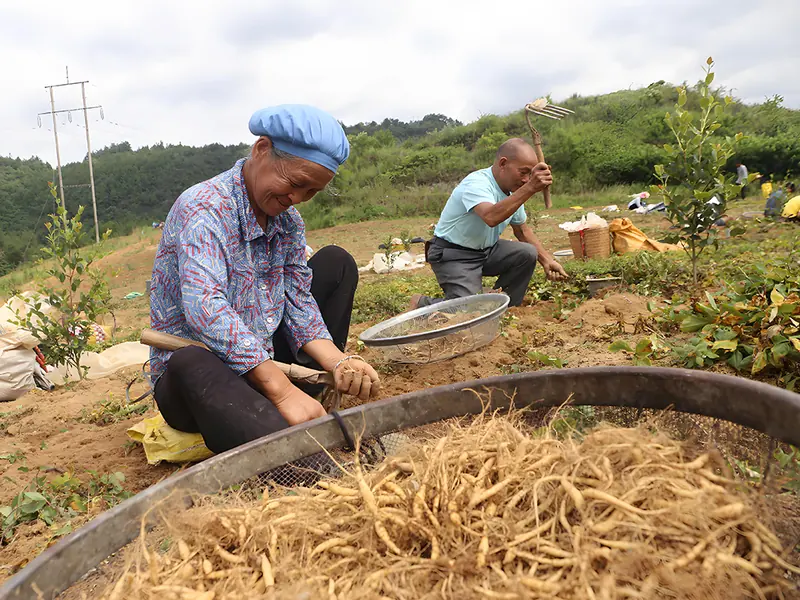
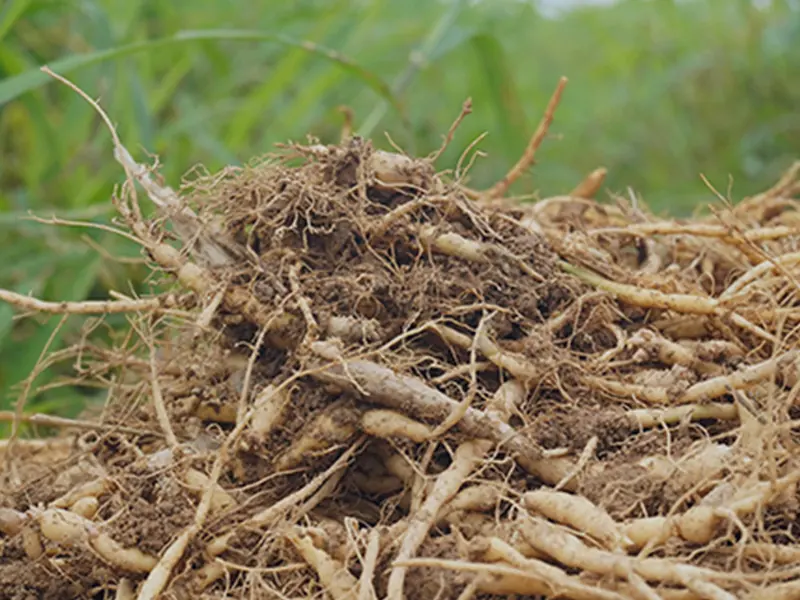
Dried Prince Ginseng root is stable when handled well — and perishable when handled carelessly. This guide summarises storage practice for bulk dried root, from warehouse conditions to rotation discipline.
The three enemies: moisture, heat, pests
Almost all storage problems trace back to one of three causes. Moisture is the primary one: dried root that picks up ambient humidity will gradually lose firmness and can mould. Heat accelerates colour change and aroma loss. Insects and rodents are a physical-contamination risk in poorly managed warehouses.
Warehouse practice
- Store off the floor on pallets and away from exterior walls
- Keep the storage area dry and ventilated; avoid direct ground-contact and damp corners
- Segregate from strongly aromatic materials — dried roots can absorb odours
- Inspect regularly for condensation, bag damage and pest activity
Packaging checks on arrival
Check that inner liners are intact and sealed, bags are undamaged, and lot labels match the shipping documents. Photograph and record any exception at arrival — claims become unsolvable once packaging is discarded.
Rotation and shelf life
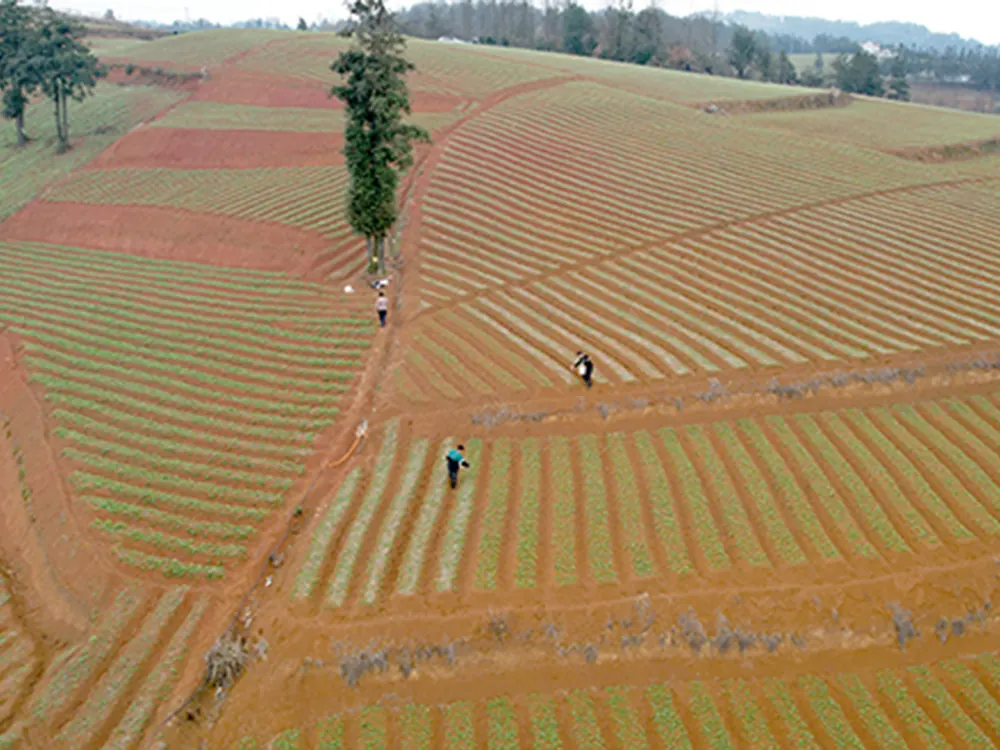
Dried root is best used within a defined period after harvest. Rather than quoting a universal number, professional practice is: know the harvest season of your lot (our base journal shows the season in the field), store it correctly, and rotate stock so older lots ship first. If you need a formal shelf-life statement for your market’s documentation, request it against the specific batch — a serious supplier will define shelf life based on the actual product and packaging, not a generic figure.
Ask your supplier when — not just where — the material was harvested. Harvest-season information is the anchor for every storage and shelf-life decision downstream.
Our supply is packed with moisture protection and lot-labelled so that storage decisions on your side can be traced back to a harvest season. For packaging options, see our bulk packaging guide.
Sources & References
- Storage practice summarised from standard dried botanical warehouse practice; packaging specification guidance in our bulk packaging guide