Long before Tai Zi Shen appeared in international trade catalogues, it had a settled place in the Chinese kitchen: the soup pot. Understanding that culinary context is not folklore for its own sake — for importers and food brands, it explains where demand comes from and which product formats the market already understands.
A soup ingredient first
In southern Chinese home cooking, slow-simmered soups are an everyday format, and dried Tai Zi Shen root is one of the standard soup ingredients kept in the pantry. The root is simmered whole — typically with lean pork or chicken and other dried ingredients — then served in the broth, where it stays intact and is eaten or left in the bowl. It is a culinary tradition, described here as cultural context rather than as any kind of health claim.
What a typical soup looks like
Home recipes vary by household and region, but the structure is consistent:
- A protein base — lean pork, chicken or sometimes duck
- A handful of dried Tai Zi Shen root, rinsed before use
- Supporting dried ingredients such as red dates or goji berries
- Two to three hours of gentle simmering, seasoned at the end
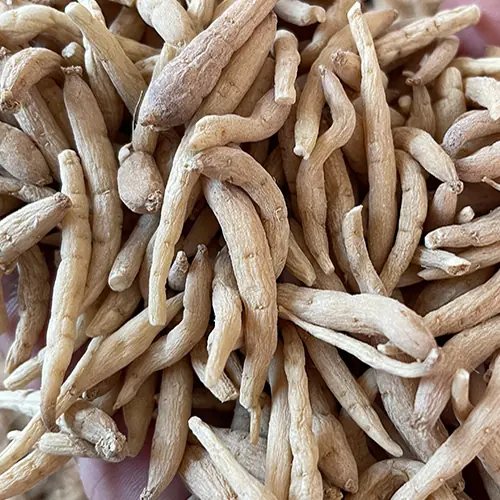
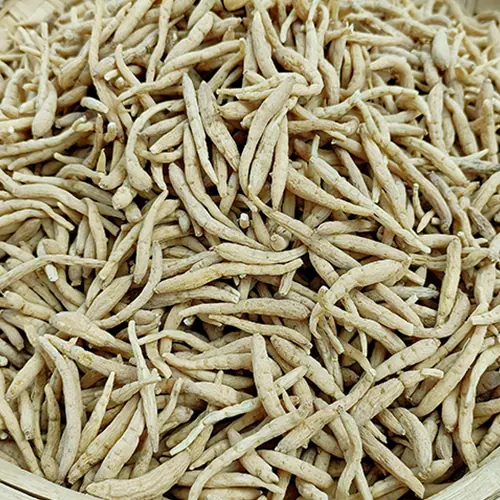
Because the root stays whole through cooking, appearance matters to the home cook just as it does to the brand buyer: clean, well-sorted, unbroken roots are what the retail shelf rewards.
What this means for demand
Culinary use creates a steady, season-spiked demand segment that sits alongside the herbal material trade: retail soup packs, gift boxes around festival seasons, and soup-base products for foodservice. For overseas Chinese communities and for brands selling into Asian grocery channels, the soup tradition is the reference point the end customer already knows — which is why pack design and origin storytelling in this channel lean on it so heavily.
Culinary descriptions on this page are cultural context, not health positioning. Permitted uses and labelling of Pseudostellariae Radix in food products vary by market and are the buyer’s responsibility to confirm.
Sourcing for culinary channels
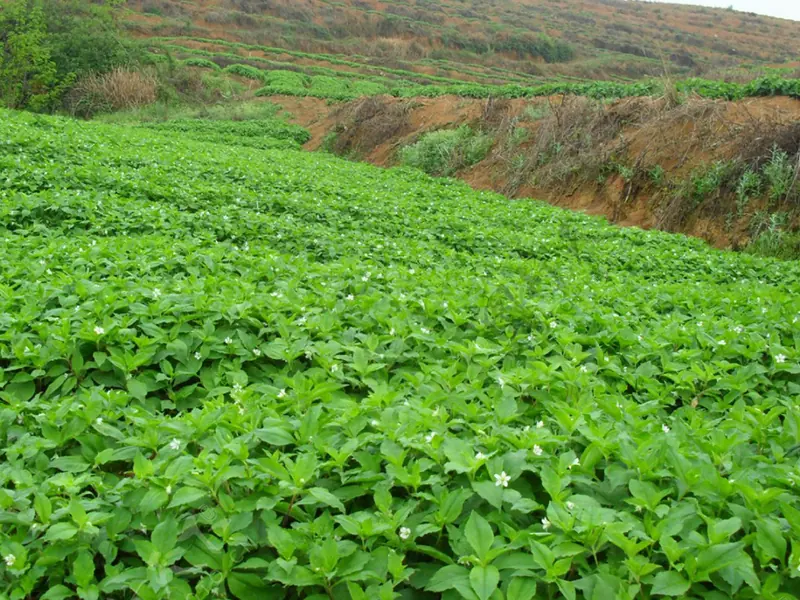
Culinary-grade buying is appearance-led: grade consistency, colour uniformity and low foreign matter decide repeat purchases. Origin carries weight too — Shibing’s documented growing tradition and its geographical-indication standard give retail packs a story that survives a label check. For the sourcing process itself, see the bulk buying guide, or send your pack format and target market through the enquiry form.
Sources & References
- Chinese Pharmacopoeia — Pseudostellariae Radix (Tai Zi Shen) monograph, Chinese Pharmacopoeia Commission (botanical identity, plant part and macroscopic description)
- Guizhou local standard DB52/T 991-2015 “Geographical indication product: Shibing Tai Zi Shen”: national standards information platform